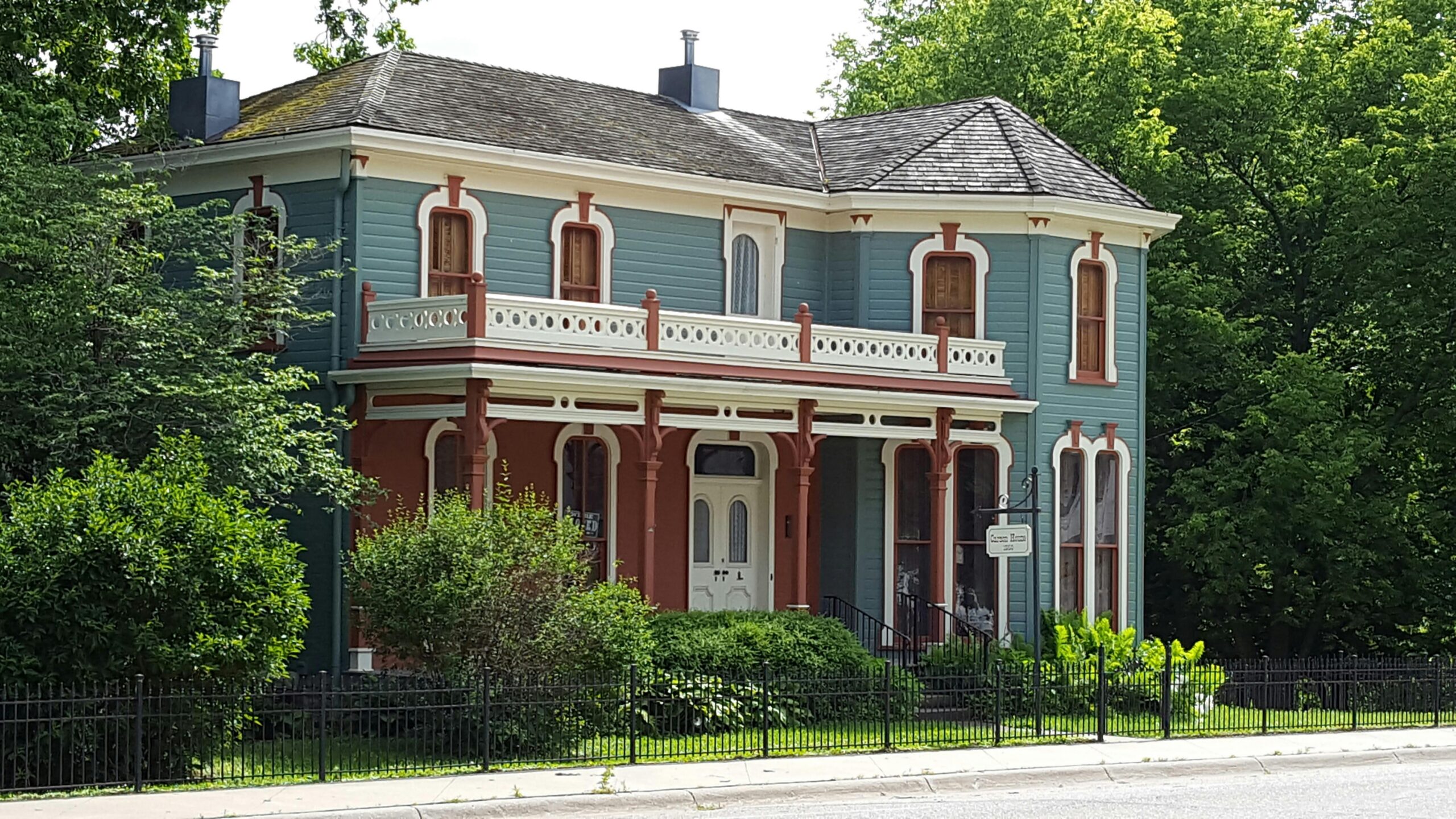
Thinking about buying a historic home in New Jersey? Learn the 12 things to check before making an offer, common renovation costs, and how to avoid expensive surprises.

Historic Homes Are Everywhere in New Jersey.
New Jersey is one of the oldest states in the country, and its housing stock reflects that history. Many of the towns buyers love most today were developed long before modern construction standards, which is why you’ll see a wide range of architecture in North and Central NJ, including:
- Colonials (often 1700s–early 1900s in various forms)
- Victorians (ornate trim, tall ceilings, dramatic staircases)
- Tudors (steep rooflines, brick and timber details)
- Craftsman and Arts & Crafts homes (built-ins, beautiful woodwork)
- Farmhouses and early suburban homes (larger lots, practical layouts)
The upside: historic homes offer character that’s hard to replicate. The tradeoff: you and your team need to evaluate them differently than newer builds.
The 12 Things to Check Before You Make an Offer
Historic homes are beautiful, structurally solid and usually thoughtfully updated; not automatically the “high risk” option you might expect. Here at Dwell New Jersey, we help our clients look for these 12 things first when evaluating a historic home before getting emotionally attached.
1) Foundation and Drainage
In New Jersey, water management is everything. Many older homes were built before modern grading and drainage planning.
Look for:
- Visible foundation cracking (especially wide or stair-step cracks)
- Signs of water intrusion in basements or crawlspaces
- Musty odor, efflorescence (white mineral deposits), or peeling paint
- Sump pumps running constantly or dehumidifiers everywhere
What to ask:
- Have there been waterproofing or drainage upgrades?
- When did they last have water in the basement?
2) Knob-and-Tube Wiring (or Other Outdated Electrical)
Knob-and-tube wiring still exists in some NJ historic homes. Even when it’s partially updated, it can create insurance and safety issues.
Look for:
- Old cloth-wrapped wiring
- Outdated electrical panels
- Too few outlets (extension cords everywhere is a clue)
- Flickering lights when appliances run
Why it matters:
- Electrical upgrades can be a major project, and some insurers require updates before issuing a policy.
3) Plaster Walls
Plaster is common in older homes and it can be gorgeous. It also behaves differently than drywall.
Look for:
- Hairline cracking (often normal)
- Larger cracks or areas pulling away from lath
- Uneven walls or bubbling paint
What to know:
- Plaster repair is doable, but it can be labor-intensive.
- If you plan major rewiring, opening plaster walls adds time and cost.
4) Roof Age and Complexity
A simple roof is one thing. A historic home with dormers, valleys, slate, or complex angles is another.
Look for:
- Missing or curling shingles
- Signs of past leaks in attic or ceilings
- Soft spots, flashing issues around chimneys and dormers
Why it matters:
- Roof replacement costs can vary drastically depending on materials and complexity.
5) Chimney Integrity
Many historic homes have one or more chimneys, and chimney repair is a frequent surprise expense.
Look for:
- Cracked or crumbling mortar
- Leaning chimneys
- Water staining near fireplaces
- Signs the chimney was “closed off” or not maintained
What to ask:
- Was the flue ever lined?
- When was it last inspected?
6) Lead Paint Risk
If the home was built before 1978, assume lead paint may exist somewhere.
Where it often shows up:
- Window trim and sashes
- Doors and baseboards
- Stair railings
Why it matters:
- Lead is manageable, but you should plan carefully if you have young children or plan renovations that disturb painted surfaces.
7) Window Condition (Restore vs Replace)
Historic windows can be a major value driver aesthetically, but they can also be costly if neglected.
Look for:
- Windows painted shut or difficult to open
- Rotting sills or frames
- Fogging (if they’ve been replaced with insulated units)
- Drafts and visible gaps
Pro tip:
- Many historic windows can be restored beautifully. Replacement is not always the best option for value or character.
8) Heating Systems and Mechanical Updates
Older homes often have steam heat, radiators, or older boiler systems. That can be great when maintained, but expensive when it isn’t.
Look for:
- Boiler age and service history
- Uneven heating across floors
- Added ductwork that looks improvised
- Window AC units in every room (not a dealbreaker, but a signal)
What to ask:
- When were the boiler and water heater replaced?
- Any plans for HVAC upgrades?
9) Insulation Reality
Historic homes were not built with modern insulation standards. Some are surprisingly efficient after upgrades, others are drafty.
Check:
- Attic insulation depth and coverage
- Evidence of air sealing
- Condition of exterior doors and weather stripping
Why it matters:
- Comfort and operating costs depend heavily on insulation and air sealing.
10) Additions and Permits
Many historic homes have additions, finished basements, or expanded kitchens. The key question is whether that work was done correctly and permitted.
Look for:
- Obvious “old house meets new house” transitions
- Sloped floors in the addition
- Rooflines that look awkward or patched together
Ask:
- Were permits pulled?
- Any documentation of renovations?
11) Sewer Lines and Plumbing
Old sewer lines can be one of the most expensive “invisible” surprises. Plumbing may include old galvanized pipes, cast iron waste lines, or partial replacements.
Look for:
- Slow drains
- Evidence of backups
- Older pipe materials visible in basement
Recommendation:
- Consider a sewer scope if the home is older and you’re serious about moving forward.
12) Hidden Moisture (The Silent Budget Killer)
Moisture is the root cause of many historic-home problems, including rot, mold, and structural issues.
Look for:
- Water staining under windows
- Soft wood around trim or porch columns
- Musty closets on exterior walls
- Mold-like spotting in basements or attics
Where to check:
- Attic corners
- Under sinks
- Basement perimeter
- Around chimneys and roof penetrations
Historic Charm vs Historic Problems
A historic home should feel like character, not chaos.
Historic charm looks like:
- Solid structure
- Maintained original details (floors, trim, staircases)
- Thoughtful updates that respect the architecture
- Systems that have been modernized over time
Historic problems look like:
- Ongoing water intrusion
- Patchwork upgrades (new kitchen, old wiring)
- Poorly executed additions
- Deferred maintenance across roof, chimney, and exterior woodwork
A good inspection matters for any home, but with historic homes, it’s also about knowing which “issues” are normal, and which ones are red flags.
Common Renovation Budget Ranges (Ballpark)
Every property is different, but here are realistic ranges buyers often want to plan for. These are ballpark figures only, and scope and town requirements can shift costs.
- Electrical upgrades: $15,000 to $40,000+
- Roof replacement: $12,000 to $80,000+ (complexity and materials matter)
- Boiler replacement: $8,000 to $20,000+
- Basement waterproofing/drainage: $5,000 to $30,000+
- Window restoration: $500 to $2,000 per window (sometimes more)
- Full kitchen remodel: $60,000 to $150,000+
- Bathroom remodel: $25,000 to $70,000+
- Sewer line replacement: highly variable, often $6,000 to $25,000+
What Makes a Historic Home a Good Investment
The best historic homes tend to hold value because they’re hard to replicate. In many New Jersey towns, historic homes sit in the most established neighborhoods, close to downtowns, train lines, and the community features buyers want long-term.
A historic home is often a strong investment when it has:
- A desirable location within the town (walkability and neighborhood matter)
- Solid “bones” (structure, foundation, roofline integrity)
- Updates to critical systems (electrical, plumbing, heating)
- Preserved architectural features that can’t be reproduced
- Renovation potential that adds value without overbuilding for the area
Final Thoughts
Buying a historic home in New Jersey can be incredibly rewarding. The key is not avoiding older homes. The key is knowing what you’re looking at and what questions to ask before you commit.
At Dwell New Jersey, We specialize in historic homes and help clients avoid expensive surprises.
If you’re considering a historic property in North or Central NJ, reach out to us for a consultation. We’ll help you evaluate the home’s condition, understand renovation realities, and make a confident decision before you fall in love with the wrong house.
FAQ: Buying a Historic Home in New Jersey
Are historic homes harder to insure in New Jersey?
They can be, especially if the electrical system is outdated or the roof is older. Many insurers want to see updated panels and modern wiring.
Should I avoid a home with knob-and-tube wiring?
Not automatically, but you should assume you’ll need an upgrade and confirm insurability early.
Do historic homes require special permits for renovations?
Sometimes, especially in designated historic districts. Rules vary by town.
Are historic homes more expensive to maintain?
They can be, but well-maintained historic homes with updated systems can be very manageable. Deferred maintenance is the bigger risk than age.
What towns in NJ have great historic housing stock?
Many North and Central NJ towns have beautiful historic inventory, including places like Summit, Montclair, Madison, Chatham, and South Orange and Westfield.