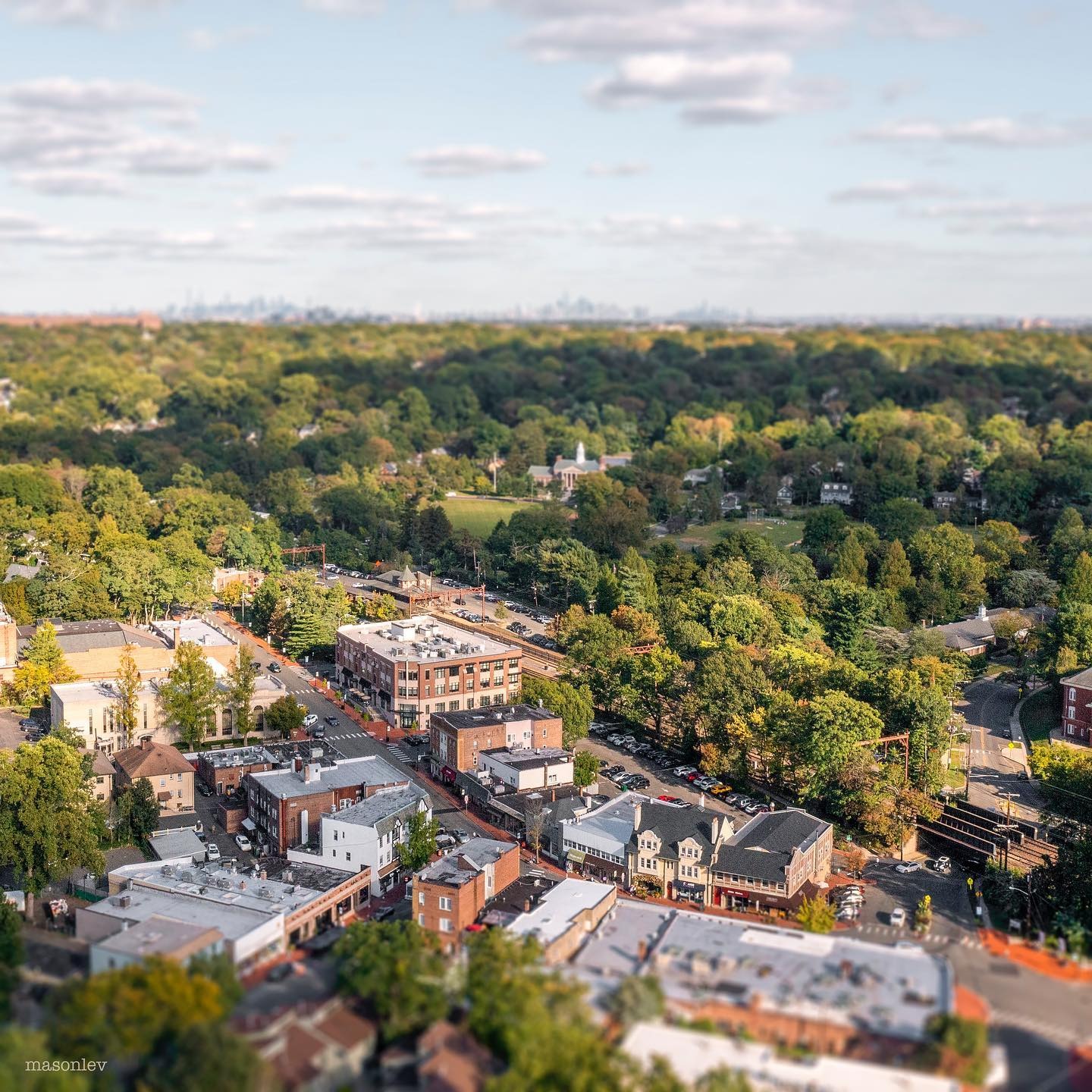
If you’re contemplating a move from the city (especially Hoboken, Jersey City or New York City) but don’t know where to start, Dwell New Jersey offers a Suburban Matchmaking experience that can help you narrow down your choices based on the vibe, energy, and lifestyle you’re looking for. For today, let’s discuss three popular suburbs around the New York area and what makes them stand out (and apart).
Montclair, South Orange and Maplewood New Jersey all fall under the category of suburbs that balance ease of commute, vibrant local scenes and family-friendly amenities. Each offers its own flavor of suburban living with very city-accessible train lines, walkable downtowns and strong school systems, but they differ in character, pace and cost. Here’s how they compare.
Maplewood, New Jersey
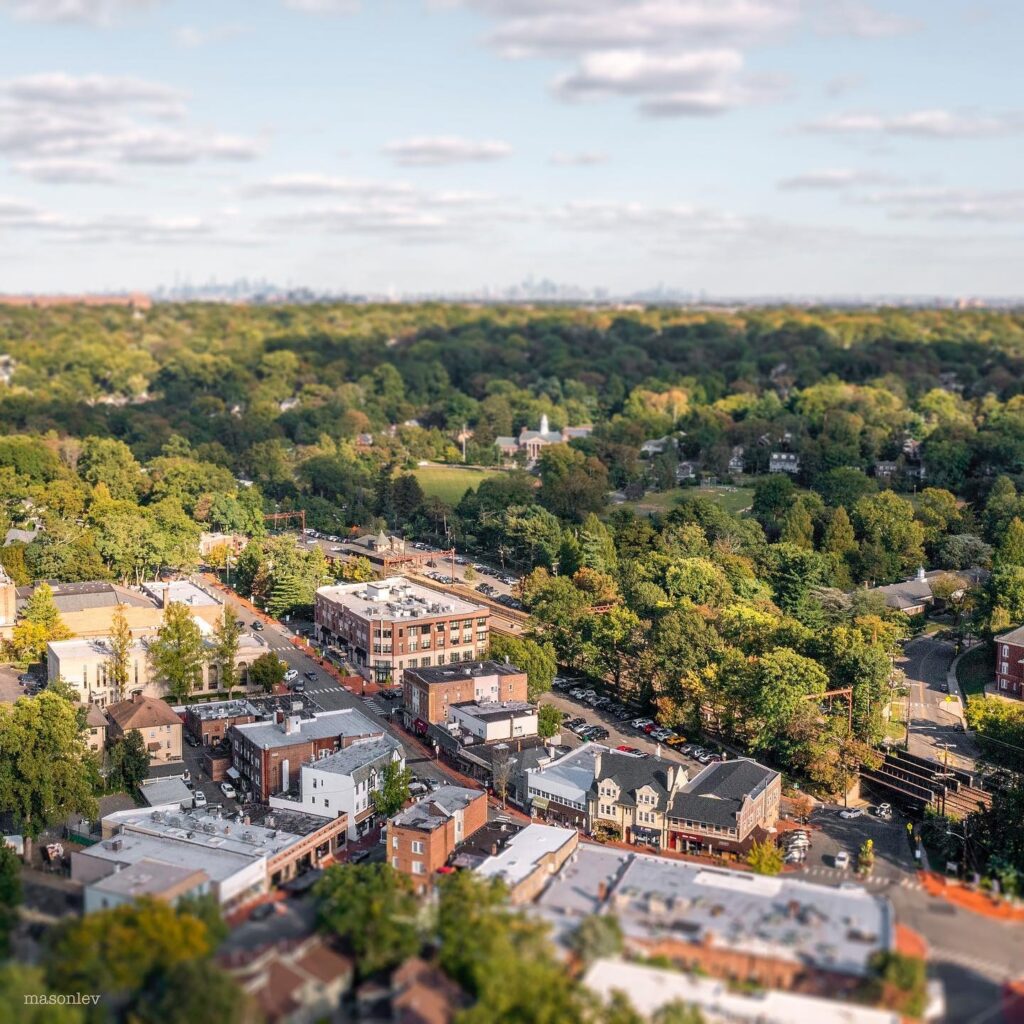
Maplewood has the feel of a “village in the suburbs” with tree-lined streets, charming historic homes and a downtown that feels purposeful yet mellow. It is described as “a close-knit, small-town atmosphere in a stellar location close to the city.” With a population of around 25,684 (in the 2020 census) it still retains a moderate size. Commute-wise, Maplewood is about 17–20 miles from Manhattan and offers direct train access via NJ Transit, making it a solid choice for city commuters. The downtown on Springfield Avenue features boutique shops, local restaurants and a walkable vibe.
The school district emphasizes learner-centered education, cultural responsiveness and family/community engagement, and on student performance the averages in math and reading outperform state averages. For neighborhoods, Maplewood is praised for historic architecture and an inclusive community. Real estate in Maplewood is quite competitive given its desirability and ease of access to NYC. An average home here is valued around $900,000.
In short: Maplewood offers a balanced mix of suburban calm and city convenience, particularly well suited for families or professionals seeking that blend.
South Orange, New Jersey:
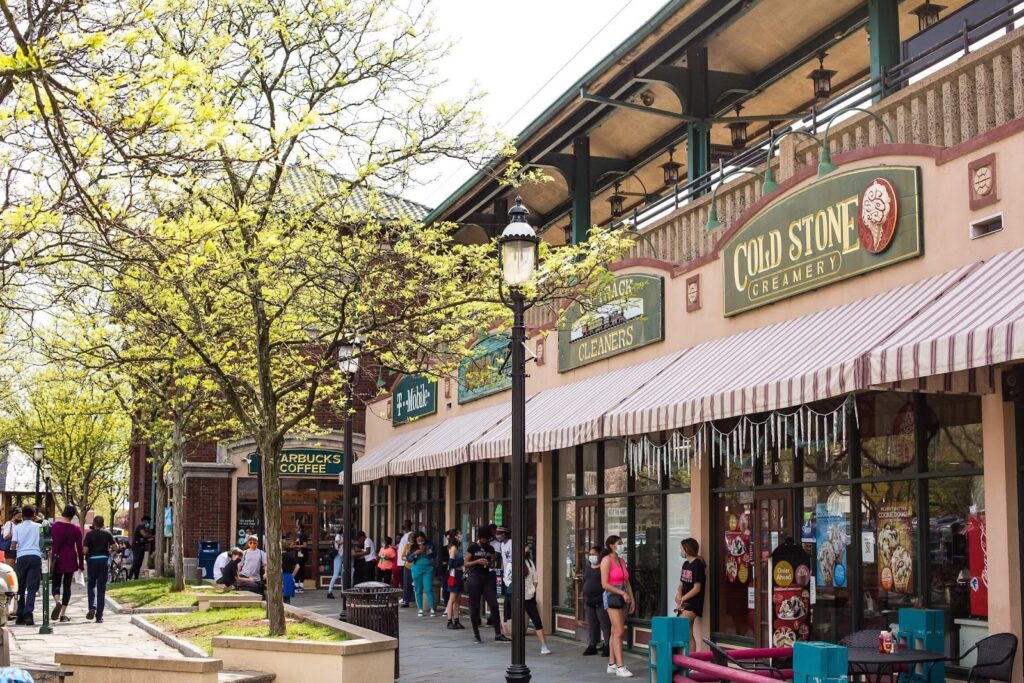
South Orange is often described as the “urban-suburban” hybrid, offering a more energetic downtown while retaining neighborhood warmth. One guide calls it “a beautiful, walkable town with an urban-suburban mix… quick commute to NYC.” The downtown village around the train station and along Irvington Avenue features restaurants, shops, cultural venues like South Orange Performing Arts Center (SOPAC), and hosts many events (you can find them in This Weekend, our weekly publication). Commute time into Manhattan is excellent; many trains take around 30–35 minutes on the mid-town direct line from South Orange. Neighborhoods are well regarded and South Orange shares a school system with Maplewood. The housing stock includes beautiful older homes (Victorian, Tudor, Colonial) and neighborhoods with active associations. Real estate is a bit higher cost than Maplewood: an average home here is valued around $1,050,000.
Bottom line: If you’re looking for a community that offers strong transit, a lively downtown, and a somewhat more urban feel within a community setting, South Orange is a compelling option.
Montclair, New Jersey:
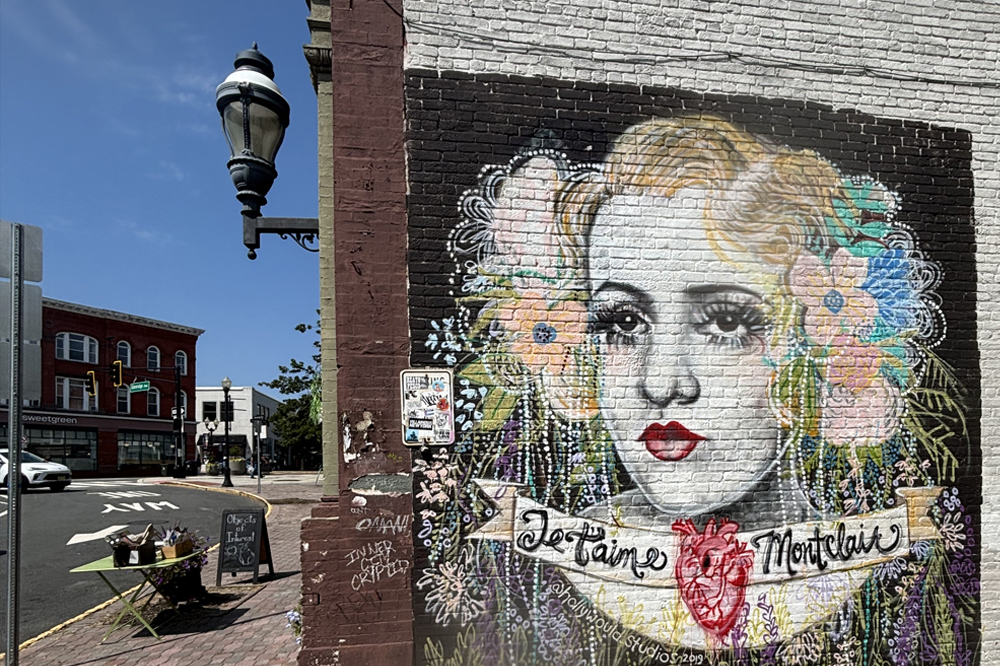
Montclair is the biggest and arguably most dynamic of the three. With about 40,900 residents (2020 census) and a well-known arts and culture scene, it’s for those who want suburban space but still crave urban energy. The town enjoys multiple business districts, boutique shopping, top-tier dining and movie theatres.The commute to NYC is good: multiple NJ Transit stations provide direct service to Manhattan, though due to multiple stations and fare zones it may cost a bit more or require a slightly longer ride than the smaller towns. The neighborhood vibe veers toward “urban suburb” – it has the feel of a Brooklyn or Brooklyn-adjacent enclave brought to New Jersey. For schools and neighborhoods, Montclair has highly rated offerings, large historic homes, and a very diverse community. Because of its size and amenities, Montclair tends to be pricier and may offer less “quiet suburb” calm than the others, but for many that’s part of the appeal. Real estate and taxes are going to be quite high in Montclair, with bidding wars usually warranting house prices well above asking. Average real estate value here hovers around $1,100,000.
Summary: Montclair is the most urban option of the three, with many people experiencing a Brooklyn-vibe in a suburban setting.
So, which one fits you?
If you’re moving from Hoboken or NYC and want to maintain ease of transit while stepping into more space, a strong local scene and good schools, here’s a quick breakdown:
- Choose Maplewood if you want a more intimate, village-feel suburb with very good transit and a strong community feel.
- Choose South Orange if you want a fast commute, a lively downtown and a modern, walkable suburb with lots of amenities.
- Choose Montclair if you’re after the most amenities, the strongest dining/arts scene and can accept slightly higher costs or more density.
Final thoughts…
In your search, spend time during a weekday morning commute (to test the train ride from each town to NYC), visit each downtown area for brunch or shopping, and drive or stroll through the residential neighborhoods to get a sense of the home-styles, tree-coverage and street life. All three towns are excellent choices and represent some of New Jersey’s most sought-after commuter-friendly suburbs. Ultimately your choice may come down to which “feel” resonates most when you arrive. The best way to choose the suburb that is right for you and your family is to go experience the vibe and community for yourself. The next best step? Sign up for our weekly weekend e-blast This Weekend which has a list of over 100 different fun things to do in these suburbs and the surrounding areas each week.
Looking for even more insight? Contact us to arrange a private tour of one or all three. If you’re ready to take the next step and check these suburbs and more out for yourself, contact us about our Suburban Matchmaking service. We’d be honored to help you find your dream home in the perfect neighborhood!